Auto sector reform: Reps, NADDC agree on urgent legislative update
Lawmakers on the House Committee on Industry and the management of the National Automotive Design and Development Council (NADDC) have reached a consensus on the need to overhaul the legal framework governing Nigeria’s automotive sector, describing it as a prerequisite for growth and competitiveness.
The joint position was articulated during a four-day retreat in Asaba, Delta State, organised with the African Parliamentary Resource Centre (APRC). The theme of the gathering: “Reflecting on the Journey So Far and Projecting into the Future of Nigeria’s Automotive Industry.”
Sa’ad Taura, who opened the retreat on behalf of committee chairman Dr. Enitan Dolapo, reiterated the legislature’s readiness to drive policies that would unlock the sector’s potential. He noted that a robust automotive industry would not only create jobs but also support industrialisation and technological advancement.
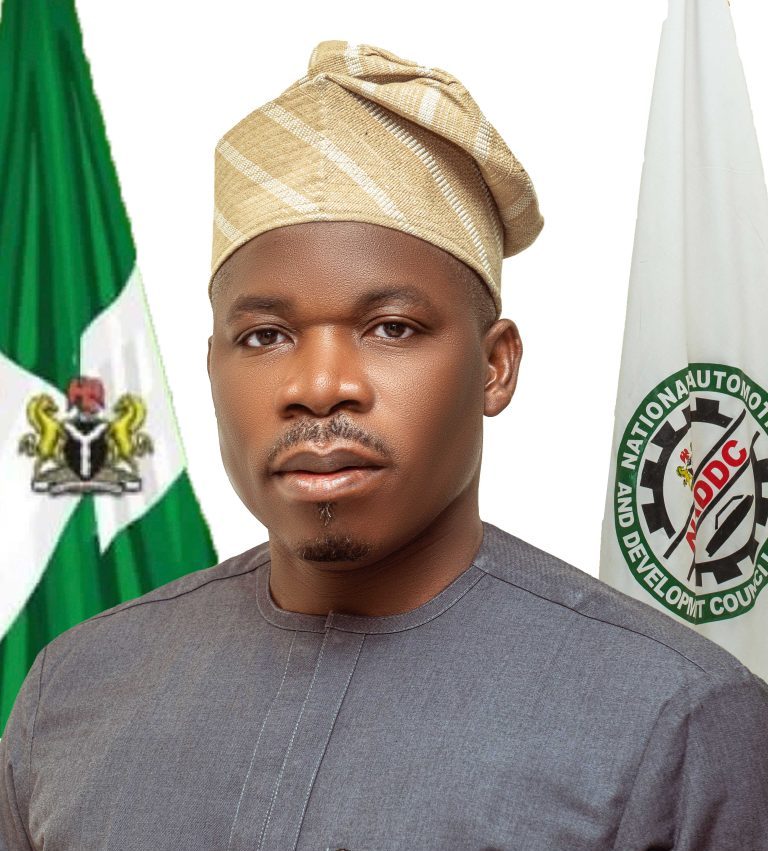
NADDC Director-General Oluwemimo Osanipin, in his remarks, pointed to measurable progress in local vehicle assembly and the push toward cleaner mobility, including CNG and electric vehicle adoption. He also highlighted improvements in technical training infrastructure. But he was clear that these achievements were fragile without strong legislative backing.
“We need a legal environment that matches the pace of global change,” Osanipin said. He called for updated statutes that would safeguard local manufacturers, attract private capital, and encourage Nigerians to choose locally made vehicles over imports.
John Mutu, Executive Director of APRC, said the retreat was designed to bridge the knowledge gap between lawmakers and the industry’s operational realities. He stressed that identifying regulatory loopholes and crafting practical solutions would be key to making the sector more competitive and investor-friendly.
At the close of the retreat, participants expressed optimism that the deliberations would translate into concrete bills and policy actions aimed at boosting local production and building public confidence in Nigeria’s automotive industry.