ECOWAS cuts aviation taxes by 25% to bring down airfares; all member states start enforcement
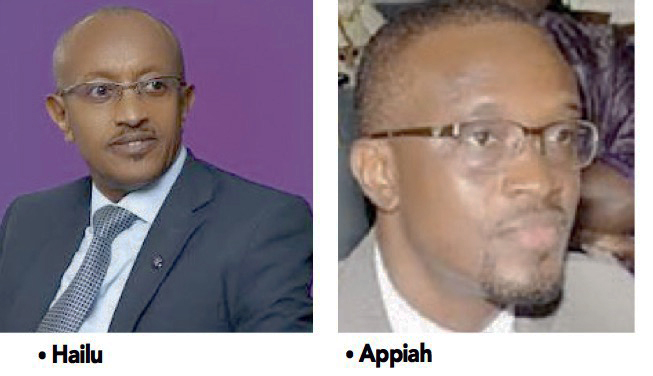
West Africa's push to make flying cheaper has reached a decisive moment. Every one of the 12 ECOWAS member states has begun implementing a regional order that eliminates some air transport taxes and slashes other charges by a quarter. Chris Appiah, the bloc’s Director of Transport, shared the progress on Wednesday at the July edition of the AFRAA SkyConnect Dialogue. The session was built around the theme “How ECOWAS Aviation Tax Abolition Can Transform Regional Connectivity and Spur Growth.”
Appiah traced the directive’s origin to a hard look at the sub-region’s aviation sector. “We recognised that taxes, charges, and fees were hurting connectivity and airline viability,” he said. “Air transport is only a catalyst for the integration we want. If we intend to move integration to the next level, we must fix the problems facing that catalyst.”
Joint studies with IATA, AFRAA, and AFCAC delivered uncomfortable findings. On a typical ticket, taxes alone could account for 60 to 65 percent of the total fare. The sector was overtaxed, demand was suppressed, and the region’s airports and carriers were struggling to break into the continent’s top ten in either passenger traffic or capacity. Appiah stressed that the response did not come from bureaucrats in Abuja acting alone. “The Heads of State themselves recognised that the cost of travel was obstructing regional mobility. They directed their Ministers of Transport, Foreign Affairs, and Finance to work with the Commission to find a solution.”
That solution targeted two specific taxes for removal and four charges to be reduced by 25 percent. The directive became effective on 1 January 2026, and during a meeting of 17 civil aviation directors-general in Lomé last week, every country confirmed that the compliance process had started. Côte d’Ivoire has already completed its tax elimination, and within the past three days, Sierra Leone formally announced the scrapping of its $50 airport security charge on all passengers arriving in and departing from Freetown.
Full enforcement will not happen overnight. Appiah outlined the machinery involved: national tax laws must be amended, multiple ministries must align, and in some cases airport concession contracts that use passenger levies to recoup infrastructure investment must be renegotiated. “This work is ongoing,” he said.
ASKY Airlines CEO Esayas Halilu, speaking on the same panel, placed the tax cuts in a broader context. He acknowledged that Africa’s ticket prices are the highest in the world, with West and Central Africa sitting at the steepest end. “Taxes, charges, and fees are one factor. But fuel is 30 to 40 percent more expensive here than elsewhere. We operate older aircraft, roughly 700 to 800 of them, with higher maintenance costs. And we earn in soft currency but pay for aircraft, parts, and training in hard currency. All of this makes aviation very expensive across the continent,” Halilu explained.
He argued that the fragmented market; only 19 percent of intra-African routes have direct connections—must be addressed through the Single African Air Transport Market. “We need to cooperate much more closely. Having 54 or 55 national carriers isn’t practical; it only deepens fragmentation. We should move toward alliances, mergers, and joint ventures. One country may have strong tourism, another may have a well-run airline. They should combine strengths, one brings the passengers, the other grants liberalised access. It isn’t only through airline revenue that African countries can prosper; we need to exchange our resources and capabilities.”
The discussion left no doubt that while the ECOWAS tax reduction is a major policy leap, sustainably lower airfares will demand parallel progress on fuel pricing, infrastructure costs, market liberalisation, and foreign exchange access. For now, the important news is that all twelve member states have turned the directive from paper into process.