Federal Government Bans Okada, Tricycles, and Unauthorised Truck Parking on Lagos-Calabar Coastal Highway
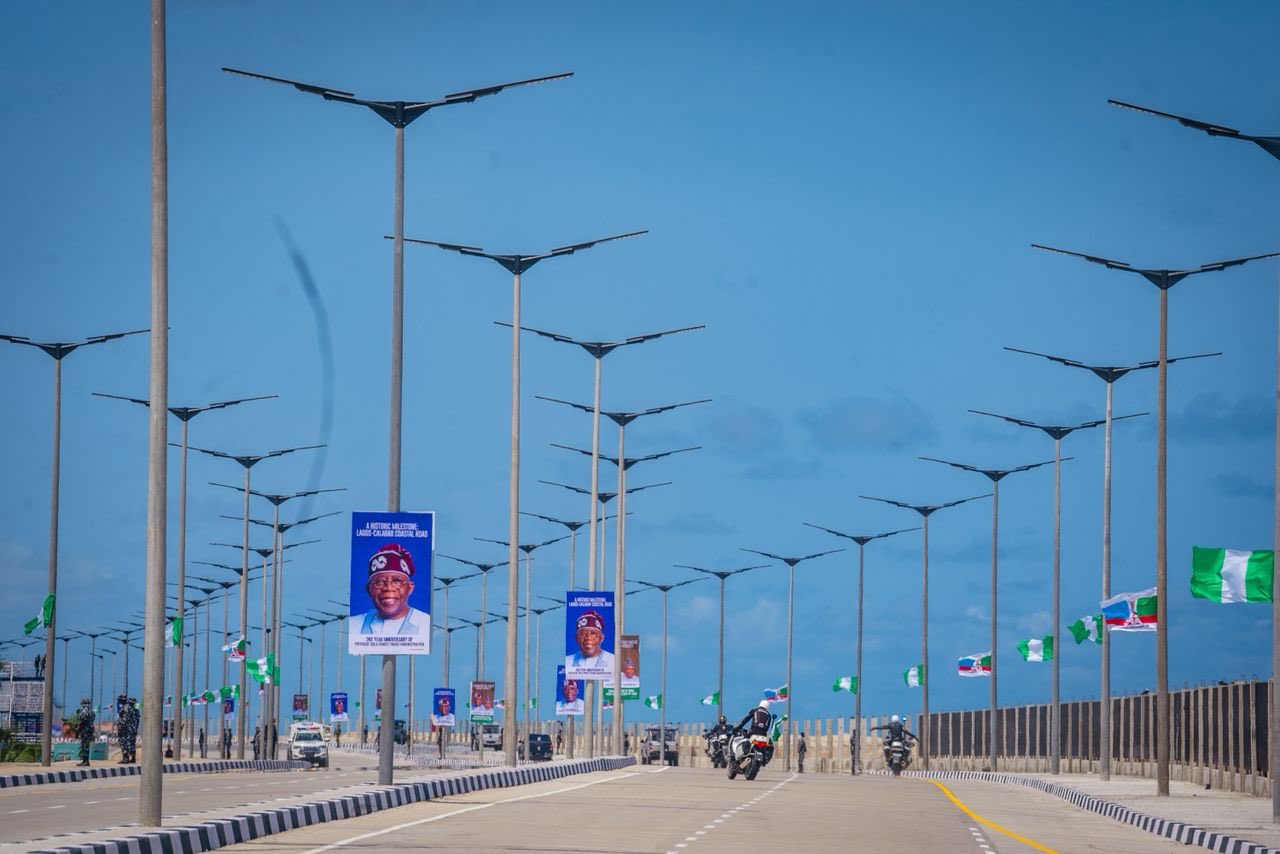
The Federal Ministry of Works has announced an immediate prohibition on the operation of commercial motorcycles (okada) and tricycles (keke Marwa) along the Lagos-Calabar Coastal Highway, citing the need to preserve the newly completed infrastructure and enhance road safety. The directive, which takes effect this week, was disclosed on Sunday by the Federal Controller of Works in Lagos State, Mr. Olufemi Dare, as part of a comprehensive traffic management and asset protection framework designed to prevent misuse and accelerated deterioration of the multi-billion-naira roadway.
In addition to restricting two- and three-wheeled commercial vehicles, the ministry has initiated a strict enforcement campaign against indiscriminate parking by trucks and articulated vehicles along the coastal corridor. Dare further clarified that the prohibition applies not only to the expressway but also to all bridges within Lagos State, warning that unauthorised parking will no longer be permitted under any circumstances. Simultaneously, the ministry has outlawed the dumping of refuse along highway rights-of-way, characterising such practices as harmful to both structural integrity and public sanitation.
Dare confirmed that enforcement operations will commence with immediate effect, with task force personnel deployed at critical points along the highway to monitor compliance. He noted that relevant road signage has already been erected to inform motorists and other road users of the new regulatory framework. He appealed to all stakeholders, including motorists, transport operators, and the general public, to adhere to the directives, emphasising that proper maintenance would significantly prolong the highway’s service life and optimise the return on the government’s capital investment. He reiterated that the Lagos-Calabar Coastal Highway represents a world-class transport asset deserving of diligent stewardship.
The new restrictions come at a time when the Federal Government is intensifying construction activities on the Lagos-Calabar Coastal Highway, a flagship national infrastructure undertaking. In December 2025, the Presidency confirmed that Nigeria had secured approximately $1.2 billion in financing from the United Arab Emirates to fund a pivotal 56-kilometre stretch of the project, a development poised to expedite completion of the full 700-kilometre route, which will link key commercial centres from Lagos to Calabar along the Atlantic seaboard.
Earlier, in September 2025, the Minister of Works, David Umahi, revealed that contracts exceeding N3 trillion had been awarded for multiple sections traversing Lagos, Akwa Ibom, and Cross River States. Specifically, Section I, commencing in Lagos, was contracted at N1.068 trillion, with 30 percent of the sum already disbursed, while Section II, covering swampy terrain and incorporating several flyovers connecting to the Dangote Refinery corridor, was procured at N1.6 trillion.