Flight Delays Loom as Air Traffic Controllers Cite Safety Risks
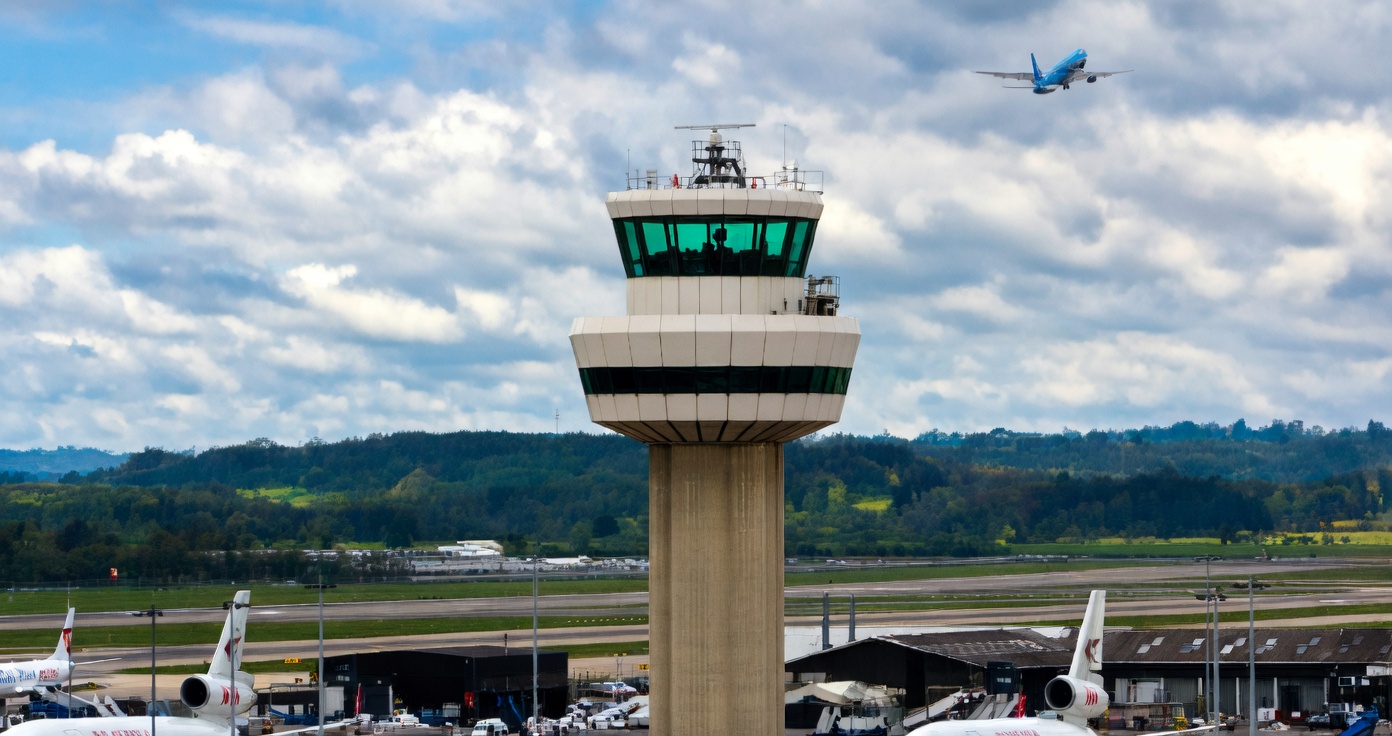
The Nigerian Air Traffic Controllers’ Association (NATCA) has warned of possible nationwide flight disruptions, stating that worsening fatigue, obsolete equipment, and poor welfare conditions may force its members to slow air traffic movements.
In a statement signed by NATCA President Edino Ilemona Amos and General Secretary Umar Fahad, the association said controllers are operating beyond safe limits, raising serious doubts about the reliability of the country’s airspace management.
NATCA emphasised that its concerns are grounded in operational reality, not emotion. Controllers face “sustained operational deficiencies, inadequate working tools, unresolved welfare issues, and severe psychological strain,” the statement said, conditions that are incompatible with a role requiring absolute focus and rapid decision-making.
A primary concern is the aging Communication, Navigation, and Surveillance (CNS) infrastructure. According to NATCA, critical systems have become unreliable, forcing controllers to work around technical gaps that should not exist in a modern aviation system. “No airspace can be truly safe when the people responsible for managing it are compelled to operate beyond the safe limits of their available systems,” the association warned.
NATCA also pointed to a lack of structured training and manpower development. Without consistent retraining and long-term workforce planning, the association said Nigeria risks a shortage of qualified controllers even as air traffic grows.
Working conditions at some control towers fall below basic safety standards, NATCA added. It cited a recent fire at Murtala Muhammed International Airport, Lagos, where controllers reportedly escaped under hazardous conditions and returned to duty shortly afterward with no recovery time.
The welfare crisis runs deep, according to the association. Many experienced controllers have been stuck on Grade Level 16 for up to 13 years, a situation NATCA called “deeply demoralising.” Professional and aeromedical allowances have not been reviewed since 2012, despite inflation and rising living costs. Additionally, discrepancies in post‑licence rating allowances and months‑long delays in reimbursing duty‑related expenses have forced controllers to absorb costs personally.
To address manpower shortages, NATCA proposed re‑engaging retired controllers at a slightly lower grade level, subject to medical fitness, to preserve institutional knowledge and mentor younger staff. The association also noted that senior controllers increasingly report to junior officers in other departments, a structural imbalance that has “deepened frustration, damaged dignity, and weakened confidence.”
While acknowledging efforts by aviation authorities, NATCA called for urgent action to fix decaying infrastructure, resolve welfare issues, and close manpower gaps. “These issues are not only about staff welfare; they are about the safety of passengers, airlines, airport users, and the entire aviation ecosystem,” the statement said.
With the threat of nationwide flight slowdowns now on the table, industry stakeholders face mounting pressure to respond, as any delay in action could compromise aviation safety across Nigeria.