Nigeria and Canada Expand Bilateral Air Transport Agreement, Authorising Direct Scheduled Services*
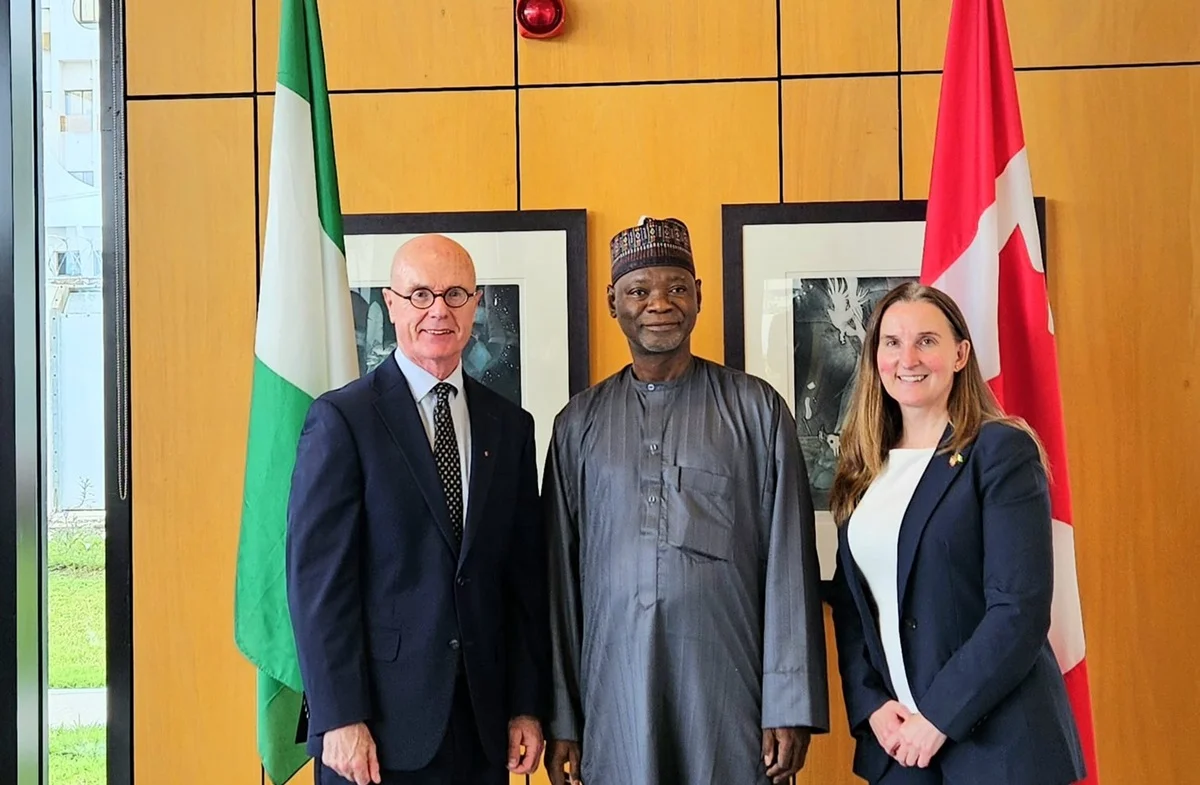
The Federal Republic of Nigeria and the Government of Canada have formally signed an expanded Air Transport Agreement, establishing the legal framework for direct scheduled passenger and cargo air services between both countries. The agreement marks a significant upgrade from the previous code‑share‑only arrangement negotiated in 2014 and formally executed in March 2025.
Pursuant to the new terms, each country may designate multiple airlines to operate scheduled services. Passenger traffic is capped at 14 weekly frequencies per side, while all‑cargo operations are limited to 10 weekly frequencies. Additionally, cargo carriers are granted fifth‑freedom traffic rights, permitting them to transport freight between two foreign points, provided the service originates or terminates in their home state.
The agreement was signed in Abuja by Mohammed Ahmed Tijjani, Director of Air Transport Management at the Federal Ministry of Aviation and Aerospace Development, representing the Honourable Minister, Festus Keyamo. Canada was represented by Shendra Melia, Chief Air Negotiator for Global Affairs Canada, following extensive technical consultations between officials of both nations.
In a joint statement, Canada’s Minister of Transport, Steven MacKinnon, emphasised that the expanded agreement would “strengthen economic ties, support tourism and trade, and facilitate greater connectivity between people and businesses.” Nigeria’s Ministry of Aviation and Aerospace Development characterised the development as a milestone that will reduce travel times, enhance passenger convenience, and lower logistics costs.
The expanded pact comes amid a marked increase in bilateral traffic. Passenger movement between Nigeria and Canada has more than doubled over the past decade, with Canada now ranking as Nigeria’s third‑largest air market in Africa, after Morocco and Algeria. As of March 31, 2026, over 25,000 Nigerians held valid Canadian study permits. Bilateral trade for the first quarter of 2026 totalled N775.4 billion, with Nigeria recording a trade surplus of N565.2 billion, according to data from the National Bureau of Statistics.
While the agreement establishes the requisite legal foundation for direct air services, designated airlines from both countries must still obtain the necessary regulatory approvals and operational clearances before commercial flights can commence. No definitive timeline for the launch of services has been announced.
The expanded Nigeria‑Canada Air Transport Agreement supersedes the 2014 code‑share arrangement and provides for multiple airline designation, increased frequency entitlements, and enhanced cargo rights. It is expected to stimulate competition, expand consumer choice, and deepen economic cooperation between the two nations.