Nigeria's Aviation Fuel Crisis Deepens: Flights Delayed, Ground Handlers Threaten Shutdown
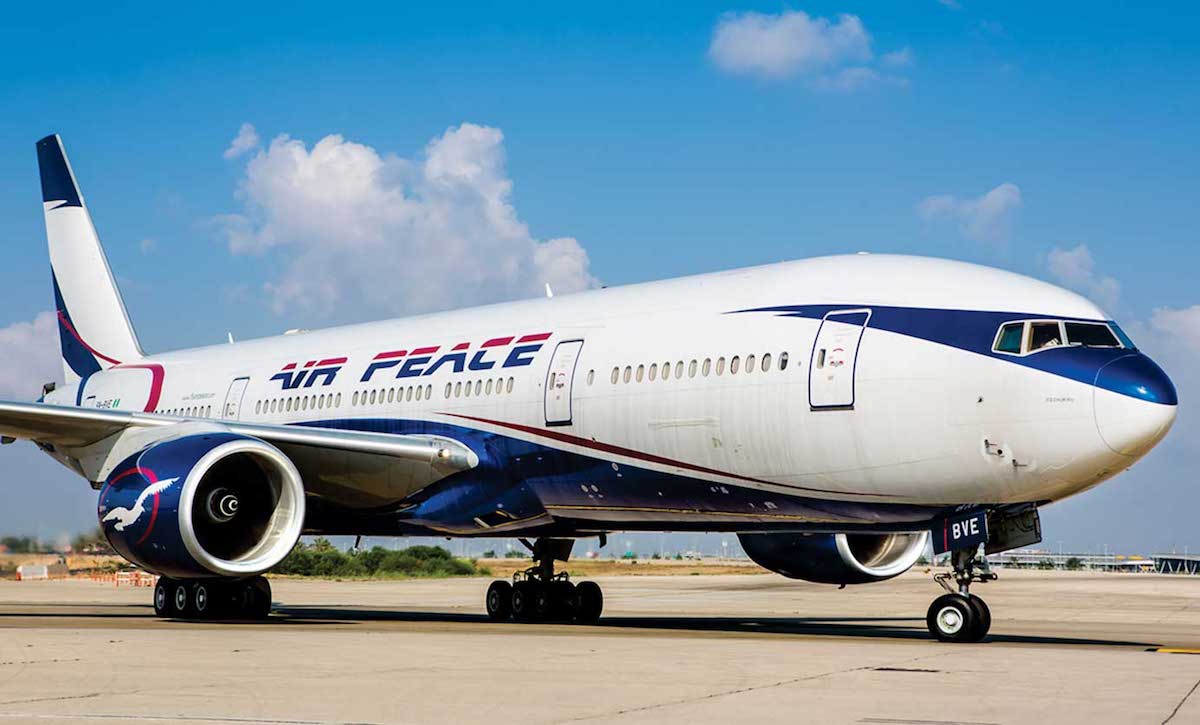
A severe shortage of Jet A-1 aviation fuel is disrupting flight operations across Nigeria, triggering widespread delays, rescheduling, and cancellations that have left hundreds of passengers stranded at major airports. The crisis, driven by a sharp rise in global crude prices and supply chain disruptions following the US-Israel conflict in Iran and the effective closure of the Strait of Hormuz, has pushed the price of Jet A-1 up by more than 300 per cent.
Airlines say the scarcity has made it nearly impossible to maintain regular schedules. At airports in Lagos, Abuja and other key domestic hubs, passengers have been waiting for hours without clear departure information, with some flights rescheduled multiple times in a single day. In a sign of the growing operational strain, Air Peace has reduced its London‑Heathrow service to just three weekly frequencies.
The Airline Operators of Nigeria (AON) had threatened to suspend all operations last Monday, but the federal government persuaded the carriers to reverse that decision pending emergency talks. A meeting chaired by the Ministry of Aviation and Aerospace Development was held on Wednesday, followed by discussions with oil marketers on Thursday. As of press time, however, no concrete relief on fuel supply had been secured. The principal outcome so far is a 30 per cent discount on outstanding debts owed by airlines to aviation service providers; the airlines are demanding a full waiver of their obligations to the Federal Airports Authority of Nigeria, the Nigeria Civil Aviation Authority and the Nigerian Airspace Management Agency.
Compounding the situation, the Aviation Ground Handlers Association of Nigeria (AGHAN) has issued a seven-day ultimatum over more than N9 billion in unpaid bills owed by indigenous carriers. In a letter dated April 21, 2026, addressed to the AON president and copied to the Minister of Aviation, the Director-General of Civil Aviation, the Managing Director of FAAN, the Department of State Services and the Inspector General of Police, AGHAN warned that its members: SAHCO, NAHCO, Butake, Precision and Swissport, could suspend all ground handling services from Tuesday, April 28, if the debts are not settled.
“This situation has continued to exert significant pressure on the operational capacity of our members, adversely affecting their ability to deliver sustainable, efficient and safe services,” the letter stated. “Despite repeated engagements, the responses received thus far have not yielded the desired outcomes, with payment commitments largely unmet.” The handlers apologised to passengers for any disruption while signalling a last‑ditch push for payment.
Amid the turmoil, aviation analyst Fred Chukwuelobe urged against blaming Air Peace for the crisis, calling the shortage a global phenomenon. “There is a renewed and rather orchestrated onslaught against Air Peace. Let’s be clear: this is not a crisis created by one airline, nor is it peculiar to Nigeria. Across the world, carriers like Lufthansa and Turkish Airlines are battling the same headwinds, volatile fuel prices, refining limitations, and geopolitical uncertainties,” he said. Chukwuelobe argued that public attention should focus on strengthening local refining capacity, improving supply chain resilience and creating a more stable operating environment for all airlines.