Petrol Price Shock Looms as Dangote Refinery Eyes Dollar Sales, Industry Groups Caution
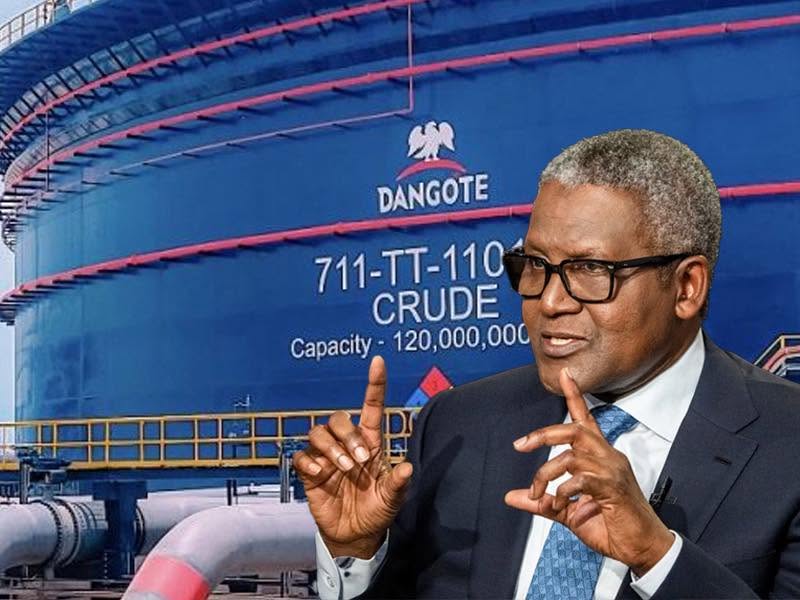
Another spike in petrol prices could be on the horizon if the Dangote Petroleum Refinery reverts to selling its products in U.S. dollars, a move that two major industry associations say would inevitably hit Nigerian motorists where it hurts most.
The Independent Petroleum Marketers Association of Nigeria (IPMAN) and the Crude Oil Refiners Association of Nigeria (CORAN) have issued separate warnings, citing mounting pressures that may force the refinery’s hand.
IPMAN’s Public Relations Officer, Mr. Chukwudi Akadike, told *Daily Sun* that while the refinery has not formally notified marketers, a return to dollar pricing would not be surprising. He pointed to three converging factors:
Inconsistent crude supply under the federal government’s naira-for-crude scheme;
Global geopolitical instability, particularly around the Strait of Hormuz, which has inflated crude costs and financing burdens;
The recent green light for marketers to resume fuel imports, which has heightened dollar demand across the downstream chain.
“If products are sold in dollars, marketers will need to source foreign exchange, and those added costs will simply be passed to the consumer,” Akadike said. He cautioned that any disruption to the current pricing equilibrium could erase the modest stability recently achieved in the downstream market.
CORAN’s Publicity Secretary, Mr. Iche Idoko, took a broader view, arguing that the dollar debate is merely a symptom of a deeper structural failure. “The question is not whether Dangote wants dollars or naira,” he said. “The real question is whether local refineries are getting enough crude under the crude-for-naira framework to keep running.”
Idoko noted that domestic refiners have been grappling with erratic crude allocations, which force them to seek alternatives, often requiring foreign currency. He also echoed Akadike’s concerns about Middle East tensions and the import approval decision, describing them as “fresh commercial pressures” on the refining sector.
He called on the Minister of State for Petroleum Resources (Oil) to urgently convene a roundtable with crude producers, refiners, and regulators to address the supply bottlenecks. “This cannot be allowed to fester. It affects the entire downstream ecosystem and, ultimately, every Nigerian who buys fuel.”
Idoko warned that if domestic refiners resort to dollar sales, the crude-for-naira initiative—designed to curb forex demand, support the naira, and keep pump prices in check; would be rendered meaningless. “Marketers will pass the forex burden to consumers. That means another price hike is almost certain unless the government fixes crude supply to local refineries,” he said.
In its March 2025 statement, Dangote Refinery explained its temporary shift to dollar sales by pointing to a mismatch: its naira-denominated product sales had already exceeded the value of naira-denominated crude it received from NNPC. The refinery promised to revert to naira pricing once adequate crude allocations were restored.
Industry sources suggest that condition has yet to be fully met, leaving the refinery with limited options, and Nigerian motorists with an uncertain outlook.
For the average citizen, the message from IPMAN and CORAN is stark: if Dangote goes dollar, pump prices go up. With global crude markets volatile and domestic supply arrangements still shaky, the downstream sector remains tethered to foreign exchange fluctuations, and the consumer continues to bear the cost.
Until the crude-for-naira framework delivers consistent, reliable supply to local refineries, the threat of another petrol price hike will remain a permanent fixture on Nigeria’s economic horizon.